Womens History Month Reading Comprehension Worksheets PDF: A Comprehensive Guide
Dive into empowering learning! Explore free, downloadable PDFs designed for 3rd & 4th graders, fostering critical thinking about remarkable women and their legacies;
These resources, alongside those from educational websites and teacher platforms, enhance Womens History Month celebrations with focused passages and engaging questions.
Womens History Month, observed annually in March, is a dedicated time to recognize the invaluable contributions of women throughout history and in contemporary society. It’s a period for celebrating achievements, acknowledging struggles, and inspiring future generations. Utilizing reading comprehension worksheets centered around this theme provides a powerful educational tool.
These worksheets aren’t simply about memorizing dates and names; they’re about fostering a deeper understanding of the challenges women have overcome and the impact they’ve had on various fields – from civil rights and suffrage to education and advocacy. Worksheets can introduce students to key figures like Rosa Parks, Harriet Tubman, Susan B. Anthony, and Malala Yousafzai, sparking curiosity and encouraging further exploration.
By engaging with thoughtfully crafted passages and questions, students develop critical thinking skills, learn to analyze information, and appreciate the diverse experiences of women. The availability of free PDF resources makes incorporating Womens History Month into the curriculum accessible and impactful for educators and learners alike.
Why Use Reading Comprehension Worksheets?
Reading comprehension worksheets specifically designed for Womens History Month offer a structured and engaging way to enhance learning. They move beyond simple memorization, encouraging students to actively process information about influential women and their accomplishments. These resources cultivate critical thinking skills, prompting analysis of historical events and the motivations behind them.
Worksheets provide a focused learning experience, utilizing concise passages tailored to different age groups. They facilitate understanding of complex topics like the Civil Rights Movement, the suffrage movement, and global education advocacy. Furthermore, varied question types – multiple choice, true/false, short answer, and fill-in-the-blank – cater to diverse learning styles.
The availability of free PDF worksheets makes these valuable tools accessible to all educators. They support classroom instruction, homework assignments, or independent study, fostering a deeper appreciation for womens history.
Target Age Groups & Grade Levels
Womens History Month reading comprehension worksheets are adaptable for a wide range of ages, but are particularly effective for students in 3rd through 8th grade. Resources specifically designed for 3rd and 4th graders often feature simpler language and focus on foundational figures like Rosa Parks and Harriet Tubman, utilizing shorter, more accessible passages.
As students progress to 5th and 6th grade, worksheets can introduce more complex themes and figures, such as Susan B. Anthony and the suffrage movement. 7th and 8th grade materials can delve into advanced concepts like analyzing primary sources and identifying bias, exploring figures like Malala Yousafzai.
Worksheet complexity should align with grade-level reading standards, ensuring comprehension without frustration. Age-appropriate language is crucial, and teachers can modify materials to suit individual student needs, fostering inclusive learning.

Key Figures & Themes for Worksheets
Inspire students with stories of Rosa Parks, Harriet Tubman, Susan B. Anthony, and Malala Yousafzai, exploring civil rights, freedom, suffrage, and education advocacy.
Rosa Parks & The Civil Rights Movement
Rosa Parks’ courageous act of defiance on a Montgomery, Alabama bus in 1955 ignited the Montgomery Bus Boycott, a pivotal moment in the Civil Rights Movement. Worksheets focusing on Parks should explore the context of segregation, detailing the unjust laws and daily realities faced by African Americans.
Comprehension questions can assess understanding of her motivations, the boycott’s impact, and the broader struggle for equality. Passages should emphasize her quiet strength and the collective action of the Black community.
Consider including excerpts from primary sources, like accounts of the boycott or Parks’ autobiography. Questions could ask students to analyze the significance of nonviolent resistance and the role of ordinary citizens in achieving social change. Explore themes of justice, courage, and perseverance.
Harriet Tubman & The Underground Railroad
Harriet Tubman, a conductor on the Underground Railroad, embodies extraordinary bravery and resilience. Worksheets should detail her escape from slavery and her subsequent nineteen trips back to the South, guiding approximately 300 enslaved people to freedom.
Passages should vividly portray the dangers and hardships faced by those seeking liberation, emphasizing Tubman’s strategic planning and unwavering determination. Comprehension questions can focus on the network of safe houses and abolitionists who aided the escapees.
Explore the symbolism of the “Moses of her people” nickname and the immense risk Tubman undertook. Include questions about the Fugitive Slave Act and its impact. Encourage students to consider the moral complexities of the era and the importance of fighting for human rights.
Susan B. Anthony & The Suffrage Movement
Susan B. Anthony was a pivotal leader in the American women’s suffrage movement. Worksheets should highlight her tireless advocacy for women’s right to vote, including her arrest for illegally voting in 1872. Passages should detail her collaboration with Elizabeth Cady Stanton and the formation of organizations like the National Woman Suffrage Association.
Comprehension questions can explore the arguments against women’s suffrage during the 19th century and Anthony’s powerful rebuttals. Focus on the 19th Amendment and its eventual ratification, acknowledging the decades of struggle.
Encourage students to analyze primary source excerpts from Anthony’s speeches and writings. Discuss the significance of civil disobedience and the importance of peaceful protest in achieving social change. Explore the lasting impact of her work on modern democracy.
Malala Yousafzai & Education Advocacy
Malala Yousafzai’s story is one of incredible courage and resilience. Worksheets should center on her advocacy for girls’ education in Pakistan, despite facing threats from the Taliban. Passages should detail the circumstances surrounding the attack on her in 2012 and her subsequent recovery.
Comprehension questions can focus on the importance of education as a fundamental human right and the barriers many girls face in accessing it globally. Explore Malala’s Nobel Peace Prize win and the establishment of the Malala Fund.
Encourage students to reflect on the power of individual voices to create change. Discuss the challenges of extremism and the importance of standing up for one’s beliefs. Analyze the global impact of her activism and inspire students to become advocates themselves.

Types of Reading Comprehension Questions
Boost understanding! Utilize multiple-choice, true/false, short answer, and fill-in-the-blank exercises to assess student grasp of key concepts and historical details.
Multiple Choice Questions
Engaging assessment tool! Multiple choice questions are incredibly effective for quickly evaluating comprehension of Womens History Month materials. These questions should present a clear stem – the question itself – followed by several answer options, only one of which is demonstrably correct.
Crafting strong multiple-choice questions requires careful consideration. Distractors (incorrect answers) should be plausible, reflecting common misconceptions or partially correct information. Avoid overly specific or trivial details; focus on core concepts and significant events related to the featured women.
For example, a question about Rosa Parks might ask: “What was Rosa Parks protesting when she refused to give up her seat?” with options including segregation, bus fares, and traffic laws. Ensure questions align with the reading passage’s content and learning objectives, promoting critical thinking and reinforcing key takeaways from the material.
True or False Statements
Simple yet insightful! True or False statements offer a straightforward method for assessing basic understanding of Womens History Month content. These statements require students to determine the accuracy of a given claim based on information presented in the reading passage.
Effective True or False questions avoid absolute terms like “always” or “never,” which can be easily identified as incorrect. Instead, focus on factual statements that are either supported or contradicted by the text; For instance, “Harriet Tubman helped enslaved people escape to freedom” is a true statement.
Conversely, “Susan B. Anthony supported slavery” is false. Encourage students to justify their answers by referencing specific details from the passage, promoting close reading and analytical skills. This method is particularly useful for younger learners or when assessing foundational knowledge.
Short Answer Questions
Encouraging deeper engagement! Short answer questions move beyond simple recall, prompting students to synthesize information and express their understanding in their own words. These questions require concise responses, typically one to three sentences, demonstrating comprehension of key concepts and details.
Craft questions that target specific information within the passage, such as “What was Rosa Parks’ role in the Civil Rights Movement?” or “How did Malala Yousafzai advocate for education?” Avoid overly broad questions that allow for ambiguous answers.
Provide clear guidelines regarding expected length and focus. Evaluating responses should prioritize accuracy, clarity, and evidence of understanding derived from the text. Short answer questions are ideal for assessing analytical skills and encouraging students to articulate their thoughts effectively.
Fill-in-the-Blank Exercises
Reinforcing key vocabulary! Fill-in-the-blank exercises are excellent for solidifying students’ understanding of important terms and concepts related to women’s history. These exercises present sentences with missing words, requiring students to recall and apply information from the reading passage.
Ensure the blanks target significant details, not trivial ones. Provide a word bank for younger students or those needing additional support, while challenging older students to recall terms without assistance.
Carefully construct sentences to avoid ambiguity, ensuring only one logical answer fits each blank. This format effectively tests recall and comprehension, making it a valuable tool for assessing learning and reinforcing key facts about influential women and their contributions.

Creating Effective Worksheets
Design with learners in mind! Craft age-appropriate passages, varied questions, and clear answer keys to maximize engagement and comprehension during Womens History Month.
Age-Appropriate Language
Tailoring vocabulary is crucial for successful comprehension. When developing Womens History Month worksheets, carefully consider the reading level of your target audience. For 3rd and 4th graders, utilize simple sentence structures and avoid complex jargon. Define any potentially unfamiliar terms within the passage itself or provide a glossary.
Focus on conveying information in a clear and concise manner, ensuring students can grasp the core concepts without being bogged down by difficult language. Remember, the goal is to inspire and educate, not to intimidate.
Use language that is respectful and empowering, highlighting the achievements and contributions of women in a positive light. Avoid overly simplistic narratives that diminish their accomplishments. Strive for accuracy and authenticity while maintaining accessibility for young learners.
Effective worksheets will use language that builds understanding and fosters a genuine appreciation for womens history.
Concise & Focused Passages
Keep it streamlined for optimal learning! Womens History Month worksheets benefit greatly from passages that are directly relevant to the comprehension questions. Avoid lengthy introductions or extraneous details that can distract students. Each passage should center on a specific aspect of a woman’s life or achievement;
Aim for passages that are approximately 150- in length, depending on the grade level. This provides enough information to assess understanding without overwhelming young readers. Focus on key events and contributions, presenting them in a logical and coherent order.
Prioritize clarity and conciseness, eliminating unnecessary words or phrases. A focused passage allows students to concentrate on the essential information and develop their reading comprehension skills effectively. Remember, brevity enhances engagement!
Varied Question Types
Boost engagement with diverse assessments! Don’t rely solely on one type of question when creating Womens History Month worksheets. Incorporate a mix of multiple-choice, true or false, short answer, and fill-in-the-blank exercises to cater to different learning styles.
Multiple-choice questions test recall and understanding of key facts. True or false statements assess attention to detail. Short answer questions encourage students to formulate their own responses, demonstrating deeper comprehension. Fill-in-the-blank exercises reinforce vocabulary and specific information.
Varying the question types keeps students motivated and challenges them to apply their knowledge in different ways. This multifaceted approach provides a more comprehensive assessment of their reading comprehension skills and promotes a more thorough understanding of the material.
Answer Keys & Explanations
Essential for effective learning! Providing comprehensive answer keys is crucial, but simply listing correct answers isn’t enough. Include detailed explanations for why each answer is correct, referencing specific information within the reading passage.
These explanations help students understand their mistakes and reinforce their learning. For multiple-choice questions, clarify why the incorrect options are wrong. For short answer questions, offer model responses that demonstrate the expected level of detail and clarity.
Well-crafted explanations transform worksheets from simple assessments into valuable learning tools. They empower students to self-correct, deepen their understanding, and build confidence in their reading comprehension abilities, fostering a more meaningful educational experience.

Resources for Free PDF Worksheets
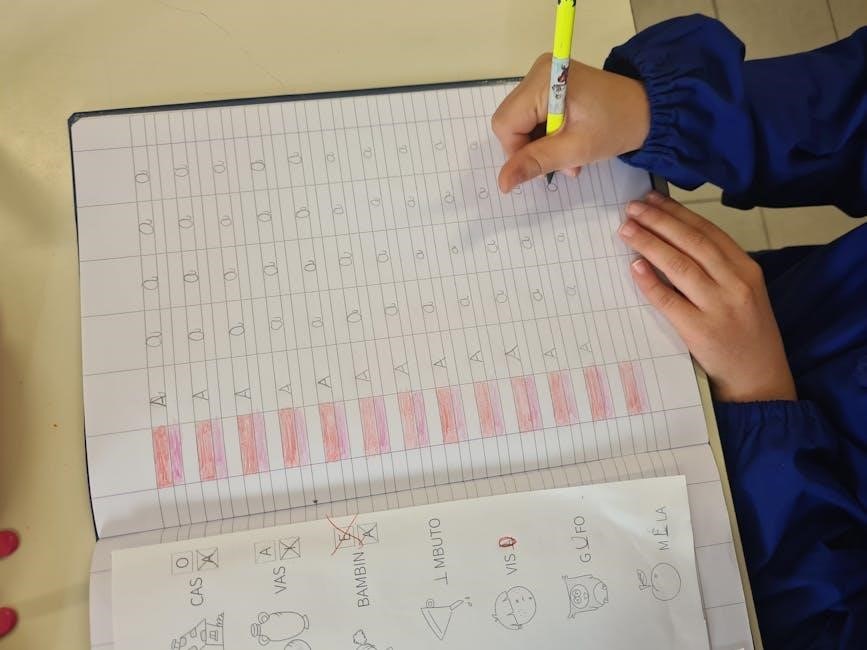
Discover valuable materials! Access free Womens History Month passages for 3rd & 4th graders, plus resources from educational websites and teacher platforms.
Free Womens History Month Passages (3rd & 4th Grade)
Engage young learners with accessible content! Several resources offer free, downloadable reading passages specifically tailored for 3rd and 4th-grade students celebrating Women’s History Month.
These passages are designed to introduce key figures and concepts in an age-appropriate manner, fostering early comprehension skills. Currently, you can download two passages completely free, providing a fantastic starting point for educators and parents.
These free samples typically focus on simplified biographies and impactful stories, making learning about inspiring women both enjoyable and educational. Look for passages that include accompanying comprehension questions to assess understanding and encourage critical thinking. Utilizing these resources effectively enhances the learning experience and promotes a deeper appreciation for the contributions of women throughout history.
These passages are a great way to begin a discussion!
Educational Websites Offering Free Resources
Discover a wealth of online learning materials! Numerous educational websites provide free Women’s History Month reading comprehension resources, expanding beyond simple passages to include diverse learning tools.
These platforms often feature printable worksheets, interactive quizzes, and engaging activities suitable for various grade levels. Many sites curate content specifically for educators, offering lesson plans and supplementary materials to enhance classroom instruction.
Teacher resource platforms are particularly valuable, providing access to a collaborative community where educators share and exchange ideas. Explore these websites to find a variety of reading passages, comprehension questions, and activities designed to celebrate the achievements of women throughout history. Remember to preview materials to ensure alignment with your curriculum and student needs.
These resources are invaluable for enriching learning!
Teacher Resource Platforms
Unlock a collaborative learning ecosystem! Teacher resource platforms serve as dynamic hubs for educators seeking high-quality Women’s History Month reading comprehension materials. These platforms frequently host user-submitted worksheets, lesson plans, and interactive activities, fostering a sense of community and shared expertise.
Many platforms offer curated collections specifically focused on women’s history, simplifying the search for relevant resources. Educators can often filter materials by grade level, reading difficulty, and topic, ensuring alignment with their students’ needs.
Beyond worksheets, these platforms provide opportunities for professional development and collaboration, allowing teachers to exchange ideas and best practices. Explore these platforms to discover innovative ways to engage students and celebrate the contributions of women throughout history, enriching the learning experience for all.
These platforms are essential for educators!
North Carolina Specific Content
Celebrate local heroines! Explore worksheets highlighting NC Women United’s mission and the Womens Forum of NC’s advocacy, featuring notable North Carolina women’s stories.
NC Women United (NCWU) & Their Mission
NC Women United (NCWU) serves as a powerful coalition dedicated to achieving full equality for all women throughout North Carolina. Their comprehensive approach focuses on building women’s power through impactful grassroots activism and robust community organizing initiatives.
Worksheets centered around NCWU’s work can illuminate the importance of legislative advocacy and active participation in the political process. Comprehension passages could detail their efforts to address key issues impacting women, such as economic security, reproductive freedom, and representation in leadership roles.
Questions could explore how NCWU collaborates with diverse organizations and individuals to amplify women’s voices and create systemic change. Understanding NCWU’s mission provides a valuable context for students to learn about contemporary feminist movements and the ongoing fight for gender justice within the state.

Womens Forum of North Carolina: Events & Advocacy
The Womens Forum of North Carolina actively empowers women to become agents of constructive change by encouraging them to speak out on public issues and take decisive action. Their commitment extends to developing future women leaders and enriching the lives of all North Carolina women.
Reading comprehension worksheets could highlight the Forum’s Winter Forums, like the January 2024 event in Raleigh, prompting students to analyze the importance of networking and collaborative discussions. Passages could detail their advocacy efforts and the impact of electing women to public office, such as Nancy McFarlane and Gale Adcock.
Questions could focus on the Forum’s role in recognizing advocates for women’s reproductive health, fostering critical thinking about the importance of women’s rights and political engagement.
Notable North Carolina Women in History
Worksheets can spotlight North Carolina women who’ve significantly impacted history, fostering appreciation for local contributions to broader movements. Passages could detail the decades-long commitment of activists dedicated to women’s reproductive health, recognizing their tireless advocacy and deep roots in state politics.

Reading comprehension exercises could center on figures who serve as role models for increased female representation in public service, like Raleigh’s Mayor Nancy McFarlane and Cary Town Council member Gale Adcock. Questions could explore their career paths and the challenges overcome.
Further, worksheets could examine the impact of women transitioning into non-profit leadership roles, emphasizing passion and purpose. These narratives inspire students to consider their own potential for impactful change.

Advanced Worksheet Concepts
Challenge students with primary source analysis, comparing historical figures, identifying bias, and fostering critical discussions about perspectives and the complexities of women’s history.
Analyzing Primary Source Documents
Engaging with firsthand accounts elevates Womens History Month learning. Worksheets should incorporate excerpts from letters, speeches, diaries, or official records created by women throughout history.
Guiding questions are crucial. Encourage students to identify the author’s purpose, intended audience, and historical context. What biases might be present? How does this document contribute to our understanding of the era?
Examples include excerpts from Susan B. Anthony’s speeches on suffrage, letters written by Harriet Tubman detailing her work on the Underground Railroad, or even contemporary interviews with women activists.
Focus on source evaluation – is it reliable? What limitations does it have? This fosters critical thinking skills beyond simply recalling facts, promoting a deeper appreciation for historical interpretation.
Worksheet activities could involve comparing multiple primary sources on the same topic, identifying key themes, or writing a response from a different perspective.
Comparing & Contrasting Historical Figures
Worksheets can powerfully illustrate the diverse paths women took to achieve change. Comparing figures like Rosa Parks and Malala Yousafzai, though separated by time and context, reveals common threads of courage and advocacy.
Focus on similarities and differences in their challenges, strategies, and impacts. How did societal norms influence their actions? What resources did they have available? What obstacles did they overcome?
Venn diagrams are excellent tools for visually organizing these comparisons. Alternatively, worksheets could present a chart with specific criteria – leadership style, methods of protest, goals – for students to analyze.
Encourage nuanced thinking. Avoid simplistic “hero vs. villain” narratives. Acknowledge complexities and contradictions within each figure’s life and work.
Promote discussion about which strategies were most effective and why, fostering critical evaluation of historical impact and lasting legacies.
Identifying Bias & Perspective
Critical analysis is key! Worksheets should challenge students to recognize that historical accounts aren’t neutral; they’re shaped by the author’s perspective and potential biases.
Present multiple sources on the same event – for example, differing accounts of the suffrage movement. Ask students to identify the author’s point of view and how it influences their portrayal of events.
Consider the historical context. What were the prevailing social norms and beliefs at the time? How might these have affected the way events were reported or remembered?
Look for loaded language or selective omission of facts. Does the text emphasize certain aspects while downplaying others?
Encourage students to question the source’s credibility and consider whose voices might be missing from the narrative, fostering a more complete understanding of history.
Critical Thinking & Discussion Prompts
Beyond recall, encourage deeper thought! Worksheets should include prompts that move beyond simple comprehension to stimulate critical thinking about women’s roles in history.
Pose “what if” scenarios: “What if Rosa Parks hadn’t refused to give up her seat?” or “How might Malala’s advocacy have been different in another country?”
Facilitate debates: “Was the suffrage movement inclusive of all women?” or “What are the ongoing challenges to achieving full gender equality?”
Connect historical events to contemporary issues. How do the struggles of past generations inform current activism?
Promote empathy by asking students to imagine themselves in the shoes of historical figures. What challenges would they face? What choices would they make?
Discussion prompts should foster respectful dialogue and diverse perspectives.