Bike Sizing Guide: Finding Your Perfect Fit (Updated April 15‚ 2026)
Selecting the right bicycle size is crucial for comfort‚ efficiency‚ and safety. Starting with an appropriate frame ensures a better riding experience‚
and allows for fine-tuning adjustments later on.
Understanding Why Bike Fit Matters
A proper bike fit transcends mere comfort; it’s fundamentally linked to performance‚ injury prevention‚ and overall enjoyment of cycling. When a bike fits well‚ power transfer from your legs to the pedals is maximized‚ allowing you to ride faster and with less effort. Conversely‚ an ill-fitting bike can lead to inefficient pedaling‚ wasted energy‚ and premature fatigue.
Beyond performance‚ a correct fit significantly reduces the risk of common cycling injuries. Incorrect saddle height‚ reach‚ or handlebar positioning can strain your knees‚ back‚ neck‚ and wrists‚ potentially causing pain and long-term issues. A well-fitted bike distributes your weight properly‚ minimizing stress on these vulnerable areas.
Furthermore‚ a comfortable bike encourages you to ride more often and for longer durations. If you’re not constantly battling discomfort or pain‚ you’re more likely to stick with cycling as a regular form of exercise and recreation. Ultimately‚ investing time in finding the right bike fit is an investment in your health‚ well-being‚ and cycling future.
The Importance of Correct Bike Size
Choosing the correct bike size is the foundational step in achieving a comfortable and efficient riding experience. While adjustments can be made to a bike’s components‚ starting with a frame that’s close to your ideal size is paramount. A bike that’s too large or too small will necessitate excessive adjustments‚ potentially compromising handling and stability.
An improperly sized bike can lead to a cascade of problems. A frame that’s too big can make it difficult to control‚ increasing the risk of falls‚ while a frame that’s too small can result in a cramped riding position‚ causing discomfort and strain. Correct sizing ensures proper biomechanics‚ allowing your body to move naturally and efficiently.

Furthermore‚ the right size bike maximizes power transfer. When your body is correctly positioned‚ you can generate more force with each pedal stroke. This is especially important for performance-oriented cyclists‚ but it benefits riders of all levels. Prioritizing correct bike size isn’t just about comfort; it’s about unlocking your full cycling potential.
Basic Bike Measurements: Standover Height
Standover height is a fundamental measurement used to determine if a bike frame is the right size for you. It’s the distance from the top tube of the bike to the ground. To measure it‚ stand over the bike with your feet flat on the ground. There should be a minimum of 1-2 inches (2.5-5 cm) of clearance between the top tube and your crotch for a road bike‚ and 2-4 inches (5-10 cm) for a mountain bike.
This clearance is crucial for safety. It allows you to comfortably dismount the bike in an emergency without risking injury. However‚ standover height is just a starting point; it doesn’t account for individual body proportions or riding style. It’s most useful for quickly eliminating bikes that are clearly too large.
Keep in mind that standover height varies depending on the type of bike. Mountain bikes require more clearance due to the need for maneuverability on technical terrain. Always prioritize sufficient clearance‚ but remember that a comfortable reach and overall fit are equally important. Don’t rely solely on standover height when selecting a bike.
Inseam Measurement: A Key Starting Point
Your inseam is arguably the most important measurement when determining your ideal bike size. It provides a foundational reference point for calculating the appropriate frame height. To accurately measure your inseam‚ stand with your back against a wall‚ wearing cycling shoes or shoes similar to those you’ll use while riding.
Place a book between your legs‚ mimicking a saddle‚ and press it firmly against your crotch. Measure the distance from the top of the book to the floor. This measurement represents your inseam. It’s crucial to get this measurement right‚ as it directly impacts standover height and overall bike fit.
Bike manufacturers use inseam measurements to create size charts. However‚ these charts are guidelines‚ not absolute rules. Factors like torso length‚ arm length‚ and flexibility also play a role in determining the best fit. Use your inseam as a starting point‚ but be prepared to adjust other components‚ like seat height and stem length‚ for optimal comfort and performance.
Bike Size Charts by Bike Type
Bike sizing isn’t one-size-fits-all; it varies significantly depending on the type of bicycle. Road bikes‚ mountain bikes‚ and hybrid bikes all have different geometries and intended riding positions‚ necessitating distinct size charts. Road bike sizing typically focuses on frame height‚ often measured in centimeters or inches‚ correlated with rider height.
Mountain bike sizing often utilizes Small‚ Medium‚ Large designations‚ based on rider height and torso length. Hybrid bikes‚ designed for versatility‚ generally offer a broader range of sizes and prioritize comfort. Always consult the manufacturer’s specific size chart for the most accurate recommendations.
These charts usually correlate inseam measurements with suggested frame sizes. Remember that these are starting points. Consider your individual body proportions and riding style when interpreting the chart. A slightly larger or smaller frame might be preferable depending on your preferences for a more aggressive or relaxed riding position.
Road Bike Sizing
Road bike sizing traditionally centers around frame size‚ measured from the center of the bottom bracket to the top of the seat tube. This is often expressed in centimeters or inches‚ and correlates with rider height‚ though it’s not a perfect science. A common starting point is to multiply your inseam (in inches) by 0.65 to get a rough estimate of the appropriate frame size.
However‚ reach and stack measurements are becoming increasingly important in modern road bike fitting. These dimensions define the horizontal and vertical distance from the bottom bracket to the head tube‚ offering a more precise fit assessment. Consider your flexibility and riding style – a more aggressive rider might prefer a lower‚ longer position.
Always refer to the specific manufacturer’s size chart‚ as frame geometries vary considerably between brands. A professional bike fit is highly recommended to fine-tune your road bike setup for optimal performance and comfort‚ especially for serious cyclists.

Mountain Bike Sizing
Mountain bike sizing differs significantly from road bikes‚ prioritizing standover height and reach for maneuverability and control on technical terrain. Frame size is still a factor‚ but less emphasized than ensuring sufficient clearance between you and the top tube when standing over the bike.
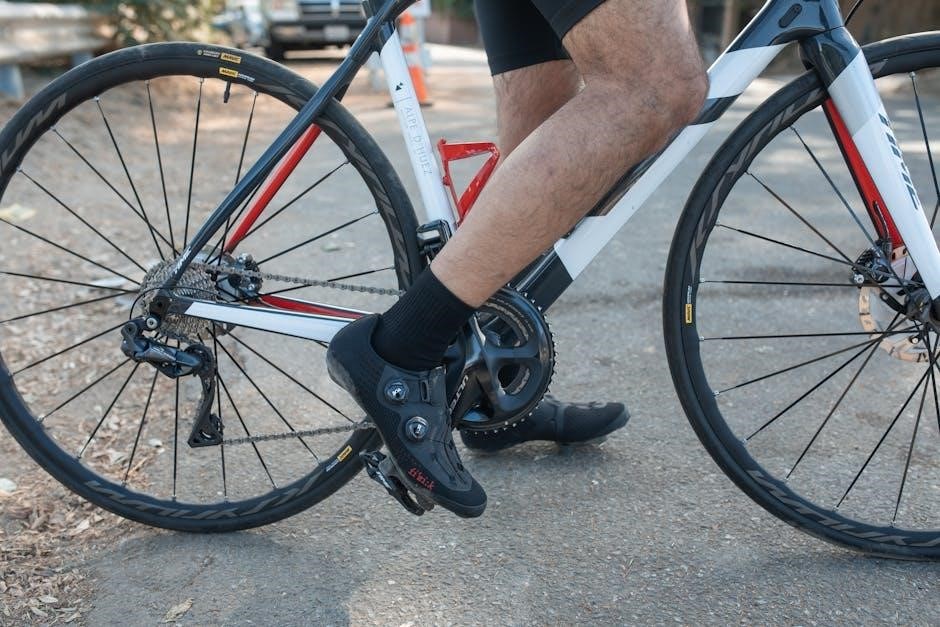
Small‚ Medium‚ Large‚ and Extra Large are common sizing designations for mountain bikes‚ rather than precise numerical measurements. Reach‚ the horizontal distance from the bottom bracket to the head tube‚ is a crucial metric‚ influencing the bike’s handling and stability. A longer reach generally provides more stability at speed‚ while a shorter reach enhances agility.
Consider your riding style and the type of trails you frequent. Cross-country riders often prefer a more efficient‚ compact position‚ while downhill riders need a longer‚ slacker geometry for stability. Consult the manufacturer’s size chart and‚ ideally‚ test ride different sizes to find the best fit for your body and riding preferences.
Hybrid Bike Sizing

Hybrid bikes blend features of road and mountain bikes‚ resulting in a sizing approach that falls somewhere in between. They generally prioritize comfort and versatility for various terrains‚ from paved roads to light trails. Frame size is important‚ but a comfortable upright riding position is also key.
Hybrid bike sizing often relies on frame height‚ measured from the center of the bottom bracket to the top of the seat tube. However‚ standover height remains a consideration‚ ensuring adequate clearance when straddling the bike. Reach and stack‚ the vertical distance from the bottom bracket to the head tube‚ also play a role in determining the bike’s fit and handling.
Consider the intended use of the hybrid bike. If you plan on primarily riding on roads‚ a size closer to a road bike might be preferable. For more off-road adventures‚ a slightly larger frame with a more relaxed geometry could be better. Always refer to the manufacturer’s sizing chart and test ride different sizes to find the most comfortable and efficient fit.
Women’s Specific Bike Sizing
Historically‚ women have been fitted to bikes designed for men‚ often resulting in discomfort and inefficiency. Recognizing anatomical differences‚ manufacturers now offer women’s specific bikes designed for a more comfortable and effective riding experience.

These bikes typically feature a smaller frame size‚ narrower handlebars‚ a shorter reach‚ and a women’s specific saddle. The geometry is adjusted to accommodate typically longer legs and shorter torsos often found in women. Saddle width is also crucial‚ as women often benefit from a wider saddle to support sit bone placement.
However‚ not all women require a women’s specific bike. Individual body proportions vary greatly. A professional bike fit is highly recommended to determine the best bike and adjustments‚ regardless of gender. Consider factors like torso length‚ arm reach‚ and flexibility. Don’t assume a “women’s” bike is automatically the right fit; prioritize comfort and proper biomechanics.
Kids’ Bike Sizing: Growth Considerations
Children grow rapidly‚ making bike sizing a unique challenge. It’s tempting to buy a bike they can “grow into‚” but an overly large bike is dangerous and hinders learning. Prioritize a bike they can comfortably and safely control now.

Instead of focusing on age‚ prioritize inseam measurement and wheel size. Smaller wheel sizes (12”‚ 16”‚ 20”) are generally appropriate for younger children. Ensure the child can stand over the bike with both feet flat on the ground with a slight bend in their knees.
Avoid the urge to significantly oversize the bike anticipating future growth. A bike that’s too big makes steering and braking difficult‚ increasing the risk of accidents. Consider bikes with adjustable components like seat height and handlebar reach to extend usability. Regularly check the fit as your child grows‚ and be prepared to size up when necessary. Trading up frequently for a proper fit is safer and more enjoyable.
Using Online Bike Size Calculators
Online bike size calculators can be a helpful starting point‚ but shouldn’t be your sole source of information. These tools typically ask for your height‚ inseam‚ and sometimes arm length to suggest a frame size. They provide a reasonable estimate‚ but individual body proportions and riding style can significantly impact the ideal fit.
Different calculators may yield slightly different results‚ so it’s wise to use several and compare the recommendations. Remember to input accurate measurements – an incorrect inseam will lead to an inaccurate size suggestion. Treat the calculator’s output as a guideline‚ not a definitive answer.
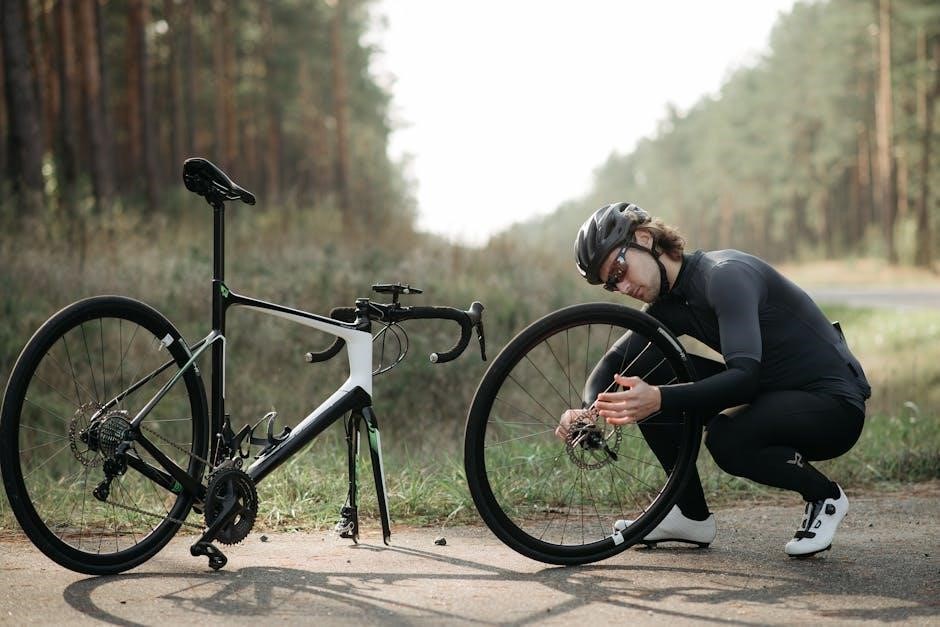
Always cross-reference the calculator’s suggestion with the bike manufacturer’s size chart. These charts are specific to each brand and model‚ accounting for variations in frame geometry; Ultimately‚ a test ride is the best way to confirm the fit. Online tools are convenient‚ but a professional fitting or in-person assessment is highly recommended for optimal comfort and performance.
Understanding Frame Geometry
Frame geometry profoundly influences a bike’s handling and fit‚ extending beyond simple frame size. Key measurements dictate how a bike feels and performs. Understanding these elements empowers you to choose a bike that complements your riding style and body type. Different bike types – road‚ mountain‚ hybrid – possess distinct geometries tailored to their intended use.

Stack and reach are crucial modern measurements‚ defining the frame’s vertical and horizontal dimensions. Stack indicates handlebar height‚ while reach determines the distance from the bottom bracket to the head tube. These values offer a more accurate fit assessment than traditional top tube length alone. Head tube angle affects steering responsiveness‚ while seat tube angle influences pedaling efficiency.
Chainstay length impacts handling and stability. A shorter chainstay provides quicker handling‚ while a longer one offers greater stability. Bottom bracket drop affects the bike’s center of gravity‚ influencing stability and cornering. Considering these geometric nuances alongside size charts ensures a more informed bike selection.
Top Tube Length and Reach
Traditionally‚ top tube length was the primary measurement for bike sizing‚ representing the horizontal distance from the head tube to the seat post. However‚ modern bike design increasingly emphasizes reach – the horizontal distance from the bottom bracket to the center of the head tube – as a more comprehensive fit indicator. Reach accounts for variations in head tube angle and stem length.
A longer top tube/reach generally results in a more stretched-out‚ aerodynamic position‚ favored by performance-oriented riders. Shorter lengths promote a more upright‚ comfortable posture‚ suitable for recreational cycling or commuting. Consider your flexibility and riding style when evaluating these measurements.
Reach is particularly useful when comparing bikes with different frame geometries. It provides a standardized measurement‚ independent of head tube angle. Combining reach with stack height (vertical distance from the bottom bracket to the head tube) offers a complete picture of the bike’s front-end geometry. These measurements help determine the appropriate stem length for optimal fit.
Seat Tube Length and Standover Clearance
Seat tube length‚ measured from the center of the bottom bracket to the top of the seat tube‚ historically played a key role in bike sizing‚ though its importance has diminished with the rise of reach-based fitting. It primarily dictates maximum saddle height. However‚ standover clearance – the distance between the top tube and the rider’s crotch when standing over the bike – remains a critical safety factor.
Adequate standover clearance (typically 1-2 inches for road bikes‚ 2-4 inches for mountain bikes) allows for safe dismounting in emergency situations. Insufficient clearance can lead to injury. It’s important to note that standover height is affected by frame geometry‚ particularly the slope of the top tube.
Modern bikes often feature sloping top tubes‚ which effectively lower standover height for a given seat tube length. When assessing fit‚ prioritize standover clearance over seat tube length‚ ensuring you can comfortably and safely stand over the bike. Consider the terrain you’ll be riding on when determining appropriate clearance;
Handlebar Width and Stem Length
Handlebar width and stem length significantly impact bike handling and comfort. These components work together to determine your reach and control. Handlebar width generally corresponds to shoulder width‚ providing optimal leverage and stability. Wider handlebars offer more control‚ particularly on technical terrain‚ while narrower handlebars can improve aerodynamics.

Stem length‚ the distance between the handlebars and the steerer tube‚ influences your riding position. A shorter stem provides more upright and responsive handling‚ while a longer stem stretches you out for a more aerodynamic and stable position. Adjusting stem length can fine-tune reach without changing frame size.
Finding the right combination involves considering your riding style and body proportions. Experimentation is key. Small adjustments to stem length (1-2cm) can make a noticeable difference. Professional bike fits often involve precise measurements and adjustments to optimize handlebar width and stem length for individual riders.
Saddle Height Adjustment
Proper saddle height is paramount for efficient pedaling and preventing injuries. When the saddle is too low‚ you waste energy and strain your knees. If it’s too high‚ you risk overextending your legs and rocking on the saddle‚ leading to discomfort and potential pain.
A common starting point is the heel-on-pedal method: with the pedal at its lowest point‚ your heel should comfortably rest on the pedal. From there‚ adjust the saddle upwards so that your leg is almost fully extended at the bottom of the pedal stroke. A slight bend in the knee is crucial.
Fine-tuning involves observing your pedaling technique. Look for a smooth‚ circular motion without excessive rocking. Small adjustments (2-5mm) can make a significant difference. Consider factors like shoe height and cleat position; Professional bike fits utilize advanced techniques to determine optimal saddle height based on biomechanical analysis.
Professional Bike Fitting Services
Investing in a professional bike fit can dramatically enhance your cycling experience and prevent injuries. These services go far beyond basic sizing charts‚ offering a personalized assessment of your body’s unique biomechanics and riding style.
A qualified bike fitter will analyze your flexibility‚ posture‚ and pedaling efficiency. They utilize specialized tools and software to measure your body dimensions and identify areas of stress or imbalance. This data informs adjustments to saddle height‚ handlebar reach‚ and cleat position.
Benefits include increased power output‚ reduced fatigue‚ and minimized risk of knee pain‚ back pain‚ and numbness. Different levels of fits are available‚ ranging from basic to comprehensive‚ depending on your needs and budget. A dynamic fit‚ performed while you’re actually riding‚ provides the most accurate results. Consider a professional fit‚ especially if you’re experiencing discomfort or planning a significant increase in mileage.
Test Riding: The Ultimate Confirmation
While charts and calculations provide a solid starting point‚ a test ride is the definitive way to confirm a bike’s fit. Nothing replicates the feeling of actually riding the bike and experiencing how it handles.
Spend at least 15-20 minutes on the bike‚ simulating the type of riding you intend to do. Pay attention to your reach to the handlebars‚ the comfort of the saddle‚ and the overall feel of the bike under you. Do you feel stretched or cramped? Is the steering responsive?
Ideally‚ test ride multiple sizes of the same model to compare the differences. Bring your cycling shoes and‚ if possible‚ your preferred saddle. Don’t hesitate to ask the bike shop to make minor adjustments during the test ride‚ such as saddle height or handlebar position. A good bike shop will encourage this. Trust your instincts – the right size bike will feel comfortable and natural from the start.
Adjusting Your Bike After Purchase
Even after selecting the correct size‚ fine-tuning is often necessary for a truly personalized fit. Don’t assume the initial setup is perfect; small adjustments can make a significant difference in comfort and performance.
Saddle height is a crucial adjustment. When your pedal is at its lowest point‚ your leg should be almost fully extended‚ with a slight bend at the knee. Fore/aft saddle position impacts pedaling efficiency and comfort. Experiment to find the sweet spot.
Handlebar height and reach can be adjusted via stem length and spacers. Lower handlebars promote a more aerodynamic position‚ while higher handlebars offer greater comfort. Consider your flexibility and riding style. Regularly check and tighten all bolts to ensure safety and prevent unwanted movement. Remember‚ a properly adjusted bike enhances enjoyment and prevents injuries.