Cake Serving Guide: A Comprehensive Overview
Navigating cake quantities for celebrations can be tricky! This guide simplifies the process, offering detailed charts and considerations for various cake sizes and shapes.
From intimate gatherings to grand weddings, ensuring enough cake for all guests is essential for a successful event, and this guide will help.
Understanding serving sizes, pan dimensions, and even cake density will empower you to confidently plan your dessert needs, making every occasion sweeter.
Understanding Cake Sizes and Servings
Determining the appropriate cake size hinges on accurately estimating your guest count and desired serving portions. A standard cake serving is typically considered 1;5 x 2 inches, but this can be adjusted based on the event’s formality and your guests’ appetites.
Cake sizes are generally referenced by diameter for round cakes and side length for square cakes. Common sizes include 6-inch, 8-inch, 10-inch, and 12-inch varieties. Sheet cakes are measured by their dimensions, such as quarter sheet (9×13 inches) or half sheet (12×18 inches).
It’s crucial to remember that these are estimates; factors like cake density, filling type, and cutting technique can influence the final yield. A denser cake or generous fillings might necessitate slightly larger portions, while precise cutting minimizes waste. Utilizing a cake serving chart, as provided by resources like Food Network, is highly recommended for precise planning.
Standard Cake Pan Sizes and Guest Counts
Common cake pan sizes directly correlate to the number of guests a cake can serve. A 6-inch round pan typically yields around 12 servings, making it ideal for smaller gatherings or intimate celebrations. An 8-inch round pan increases the serving capacity to approximately 24, suitable for medium-sized events.
For larger parties, a 10-inch round cake can comfortably serve 36 guests, while a 12-inch cake extends that to around 48. Square cakes offer similar serving estimates based on their dimensions; a 6-inch square serves roughly 12, an 8-inch square around 24, and a 10-inch square approximately 36.
Sheet cakes, measured in dimensions, are excellent for feeding large crowds. A quarter sheet (9×13 inches) generally serves 24-30, and a half sheet (12×18 inches) can accommodate 48-60 guests. Remember these are estimates, and adjustments may be needed.
Round Cake Serving Chart
Round cakes are a classic choice for celebrations, and determining the right size is crucial. A 6-inch round cake generally provides 12 servings, perfect for smaller parties or intimate gatherings. This size is often sufficient for family celebrations or close friends.
Stepping up to an 8-inch round cake increases the serving count to approximately 24, making it suitable for medium-sized events like birthdays or office parties. A 10-inch round cake comfortably serves around 36 guests, ideal for larger celebrations.
Consider that these serving sizes are based on standard slice sizes. Adjustments may be necessary depending on guest appetites and desired portion sizes. Always factor in potential extras like leftovers or generous servings!
6-Inch Round Cake: Servings & Occasions
A 6-inch round cake is a delightful choice for smaller celebrations, typically serving around 12 guests. This size is wonderfully suited for intimate family gatherings, cozy birthday parties, or a special treat for a small group of friends.
Consider it perfect for anniversaries with close family, a child’s small classroom celebration, or a quiet milestone achievement. Its manageable size also makes it an excellent option for a dessert table alongside other treats.
This cake size is also ideal for those who prefer a smaller portion or want to avoid excessive leftovers. It’s a charming and practical choice when a grand, elaborate cake isn’t necessary, offering a sweet touch without overwhelming.
8-Inch Round Cake: Servings & Occasions
An 8-inch round cake strikes a wonderful balance, generally serving approximately 24 guests – making it a popular choice for medium-sized events. This size is perfect for birthday parties, office celebrations, or family gatherings with a moderate guest list.
It’s well-suited for events like baby showers, milestone birthdays, or casual get-togethers where you want a substantial dessert without going overboard. The 8-inch size offers ample room for creative decorations and flavor combinations.
This versatile cake size provides enough for everyone to enjoy a slice, while still being manageable to transport and serve. It’s a classic choice that consistently delivers a satisfying and celebratory experience for your guests, ensuring a sweet moment for all.
10-Inch Round Cake: Servings & Occasions
A 10-inch round cake is a substantial centerpiece, typically serving around 36 people, making it ideal for larger celebrations and gatherings. This size is frequently chosen for more significant birthdays, anniversaries, or larger office parties where a generous dessert is desired.
It’s an excellent option for events like engagement parties, milestone celebrations, or any occasion where you anticipate a sizable guest count. The larger surface area allows for more elaborate decorations and intricate designs, creating a visually stunning focal point.
This cake size provides ample portions for everyone to indulge, ensuring a memorable and satisfying experience; It’s a fantastic choice when you want to make a statement and offer a truly generous treat to your guests, fostering a festive atmosphere.
Square Cake Serving Chart
Square cakes offer a modern aesthetic and efficient serving potential, differing slightly from round cakes in yield. Determining the correct size hinges on guest count and desired portion sizes. This chart provides guidance for 6-inch, 8-inch, and 10-inch square cakes, outlining approximate serving numbers.
Square shapes often maximize cake usage, minimizing waste compared to round cakes of equivalent diameter. They are particularly well-suited for events where neat, defined slices are preferred. Consider the overall presentation and how the square shape complements your event’s theme.
Remember that serving estimates are based on standard slice sizes (approximately 1.5 x 2 inches). Adjustments may be necessary based on guest appetites and the cake’s density or filling type. Careful planning ensures everyone enjoys a delightful piece!
6-Inch Square Cake: Servings & Occasions
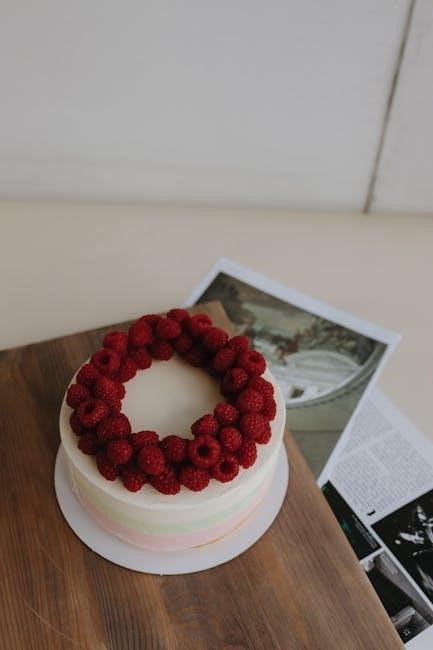
A 6-inch square cake typically yields around 12 servings, making it an ideal choice for intimate gatherings, small family celebrations, or a cozy dessert for a few close friends. This size is perfect when you want a beautiful cake without excessive leftovers.
Occasions suited for a 6-inch square cake include small birthday celebrations, anniversaries, or a special treat for a weekend. It’s also a wonderful option for a dessert table alongside other treats, offering variety without overwhelming guests.
Consider this size when you’re aiming for a more personal touch, or when a smaller, more manageable cake is preferred. It’s easily decorated and presents beautifully, despite its modest size, ensuring a delightful experience.
8-Inch Square Cake: Servings & Occasions
An 8-inch square cake generally provides approximately 16-20 servings, making it a versatile option for medium-sized gatherings and celebrations. This size strikes a balance between providing enough cake for guests and minimizing potential waste, offering a practical solution for many events.
Suitable occasions for an 8-inch square cake include birthday parties, baby showers, or smaller wedding receptions. It’s also a great choice for office celebrations or family get-togethers where a generous dessert is desired without being overly extravagant.
This size allows for more elaborate decorations and designs, enhancing its visual appeal. It’s a popular choice for those seeking a classic cake size that comfortably accommodates a moderate number of attendees, ensuring everyone enjoys a slice.
10-Inch Square Cake: Servings & Occasions
A 10-inch square cake typically yields around 25-30 servings, making it an excellent choice for larger parties and events. This size offers ample cake to comfortably accommodate a substantial guest list, ensuring everyone has a delightful treat.
Ideal occasions for a 10-inch square cake include milestone birthdays, larger wedding receptions, corporate events, or any gathering with a significant number of attendees. It’s also well-suited for potlucks or celebrations where you anticipate a high demand for dessert.
The larger surface area of a 10-inch square cake allows for more intricate decorating possibilities, creating a visually stunning centerpiece. It’s a fantastic option when you want to make a statement with your cake and provide generous portions for all your guests.
Sheet Cake Serving Guide
Sheet cakes are renowned for their practicality and generous serving potential, making them a popular choice for casual gatherings and large events. Their rectangular shape maximizes cake volume while simplifying cutting and serving logistics.
A quarter sheet cake (9×13 inches) generally provides around 20-24 servings, perfect for smaller parties or family celebrations. Conversely, a half sheet cake (12×18 inches) significantly increases capacity, yielding approximately 40-48 servings – ideal for larger crowds.
Sheet cakes excel as birthday cakes, potluck contributions, or office celebrations. Their flat surface is also advantageous for elaborate frosting designs and personalized messages. They are a cost-effective and efficient solution when you need to feed a substantial number of people without the fuss of tiered cakes.
Quarter Sheet Cake (9×13 inches): Servings & Uses
The versatile 9×13 inch quarter sheet cake is a go-to for many celebrations, comfortably serving between 20 and 24 people, depending on desired slice size. This makes it an excellent choice for medium-sized gatherings like family birthdays, office parties, or classroom events.
Its rectangular shape simplifies cutting and portioning, minimizing waste and ensuring everyone receives a fair share. Beyond birthdays, a quarter sheet cake is perfect for potlucks, bake sales, or simply a sweet treat for the week.
Consider this size when you need a substantial cake without the complexity of tiered designs. It’s a blank canvas for creative frosting and decorations, easily customizable to match any theme or occasion. It’s a practical and delicious option!
Half Sheet Cake (12×18 inches): Servings & Uses
A half sheet cake, measuring 12×18 inches, is a substantial dessert option, typically serving 32 to 48 guests – ideal for larger events and gatherings. This size is frequently chosen for company-wide celebrations, school functions, or sizable family reunions where a generous dessert spread is desired.

Its expansive surface area allows for intricate designs, detailed frosting work, or even multiple cake flavors within a single pan. The rectangular shape continues to offer ease in cutting and serving, making it a practical choice for buffet-style setups.
Beyond large parties, a half sheet cake is excellent for events requiring pre-cut slices, minimizing on-site serving effort. It’s a cost-effective way to feed a crowd, offering maximum cake for your investment.
Cake Height and Serving Adjustments
Standard serving charts often assume a cake height of approximately 4 inches. However, variations in height significantly impact the total number of servings a cake yields. A taller cake, naturally, provides more volume and therefore, more slices.
For cakes exceeding 4 inches in height, consider increasing the estimated serving count by 25-50%, depending on the additional height. Conversely, a shorter cake – perhaps a single-layer design – will yield fewer servings than indicated in standard charts.
Layered cakes, with substantial fillings, also require adjustments. Generous fillings contribute to the overall volume and perceived serving size. Always assess the cake’s overall dimensions and filling quantity to accurately determine the appropriate number of portions.
Serving Size Considerations
Determining appropriate serving sizes is crucial for ensuring everyone enjoys the cake without excessive waste. A standard slice, commonly used for estimations, measures approximately 1.5 x 2 inches, offering a balanced portion of cake and frosting;
However, guest preferences and the occasion’s formality can influence serving sizes. For casual gatherings, slightly larger portions may be appreciated, while more elegant events might call for refined, smaller slices.
Consider the richness of the cake; denser cakes require smaller portions. Adjusting slice sizes allows you to cater to diverse appetites and prevent overindulgence. Thoughtful portioning enhances the overall enjoyment of the dessert experience.
Standard Slice Size (1.5 x 2 inches)
The widely accepted standard for a cake slice measures approximately 1.5 inches wide by 2 inches long. This dimension provides a balanced portion, offering a satisfying taste of both cake and frosting without being overly generous.
This size is a reliable benchmark for calculating servings when determining the appropriate cake size for an event. It’s particularly useful when referencing cake serving charts, ensuring accurate estimations for guest counts.
While individual appetites vary, the 1.5 x 2 inch slice generally caters to most preferences. It’s a versatile size suitable for various cake types and occasions, providing a delightful and manageable dessert experience for all attendees.
Adjusting for Larger or Smaller Portions
Recognizing that appetites and event styles differ, adjusting slice sizes is crucial for accurate cake planning; For events with heartier eaters or a focus on generous portions, increasing slice dimensions to 2 x 2.5 inches is advisable.
Conversely, if serving cake alongside a full meal or catering to those with smaller appetites, reducing slice sizes to 1 x 1.5 inches can minimize waste and ensure everyone enjoys a sweet treat without overindulgence.
Remember to recalculate the total servings based on the adjusted slice size. This simple modification ensures you order or bake the perfect amount of cake, avoiding shortages or excessive leftovers, enhancing the overall event experience.
Wedding Cake Tier Serving Guide
Planning a wedding cake requires careful consideration of guest count and tier sizes. Traditionally, wedding cakes feature multiple tiers, each contributing to the overall serving yield. A standard 6-inch tier typically serves 14 guests, while an 8-inch tier accommodates around 28.
Larger tiers, such as a 10-inch, can serve approximately 38 people, and a 12-inch tier provides enough for around 56 guests. When combining tiers, remember that these numbers are estimates, and actual servings may vary based on cutting technique and slice size.
Consider a “cutting cake” – a smaller top tier reserved for the couple’s first slice – and supplement with sheet cakes in the kitchen to efficiently serve a larger guest list, ensuring everyone enjoys a piece of the celebration.
Factors Affecting Serving Yield
Several elements beyond the cake’s dimensions influence the final serving count. Cake density plays a significant role; a rich, dense cake will naturally yield fewer servings than a light and airy sponge. Similarly, the type of filling impacts portion sizes – generous fillings may necessitate smaller slices.
Cutting technique is crucial. Precise, uniform slices maximize yield, while haphazard cutting leads to waste. The size of each slice also matters; standard slices are around 1.5 x 2 inches, but larger portions reduce the overall number of servings.
Finally, consider potential waste from damaged pieces or uneven cuts. Accounting for these factors ensures you have enough cake to satisfy all your guests comfortably and avoid any dessert disappointments.
Cake Density and Filling Type
The inherent density of a cake dramatically affects serving sizes. A heavier, more compact cake – think a rich chocolate fudge cake – will yield fewer servings compared to a light, airy angel food cake of the same dimensions. This is because denser cakes feel more substantial per slice.
Similarly, the filling significantly impacts portioning. Generous layers of buttercream, mousse, or fruit filling necessitate smaller cake slices to maintain a balanced bite. Conversely, a thin layer of frosting allows for larger, more satisfying portions.
When estimating servings, always consider both the cake’s texture and the filling’s volume to ensure accurate calculations and avoid under or over-provisioning for your event.
Cutting Technique and Waste
Precise cake cutting is crucial for maximizing servings and minimizing waste. Traditional wedge-shaped slices are common, but can lead to varying portion sizes, especially from the center of the cake. Grid cutting, where the cake is divided into neat squares or rectangles, offers more consistent servings.
However, even with careful cutting, some waste is inevitable. Crumbs, uneven edges, and the initial “ceremonial” slice often contribute to a small amount of discarded cake. It’s wise to slightly overestimate serving needs to account for this.
Consider the skill of the person cutting the cake; an experienced hand will yield more servings with less waste than an inexperienced one. Proper tools, like a long, serrated knife, also improve precision.
Calculating Batter and Icing Needs
Accurately determining batter and icing quantities is vital for a successful cake. Once you’ve established the required cake size based on serving needs, consult recipes that specify batter volume for different pan dimensions. Most recipes provide yields – the approximate volume of batter produced.
For icing, consider the type of frosting and desired coverage. A simple buttercream typically requires more volume than a glaze. Estimate icing needs based on the cake’s surface area, including sides and any decorative elements.
Online cake calculators can streamline this process, factoring in pan size, cake height, and desired frosting thickness. Always round up slightly to ensure sufficient coverage, avoiding a shortage mid-decoration!
Resources for Cake Serving Charts
Numerous online resources offer comprehensive cake serving charts, simplifying event planning. Food Network’s website provides detailed guides and recipes, assisting in both cake size selection and batter/icing calculations. Several baking blogs and websites, like those dedicated to wedding cake design, feature printable charts tailored to various cake shapes and tiers.
Wilton, a leading baking supply company, offers a robust cake serving guide on their website, covering round, square, and sheet cakes. These charts often categorize serving sizes based on standard slice dimensions (e.g., 1.5 x 2 inches).
Pinterest is a valuable source, hosting numerous visually appealing cake serving charts and infographics. Remember to cross-reference information from multiple sources to ensure accuracy and cater to your specific needs.
Popular Cake Recipes for Different Occasions
Chocolate cake remains a timeless favorite, perfect for birthdays and celebrations, while a classic vanilla cake serves as an excellent base for diverse frostings and decorations. For spring or summer gatherings, a blueberry cake, utilizing a blueberry pie filling and fresh berries, offers a delightful twist.
Confetti birthday cakes add a festive touch to children’s parties, and carrot cakes, often adorned with cream cheese frosting, are ideal for more sophisticated events. Food Network provides step-by-step instructions for many of these recipes, making baking accessible to all skill levels.
Consider the occasion when selecting a recipe; a simple sheet cake is perfect for large crowds, while a tiered cake elevates a wedding or milestone birthday.